
Start your journey here

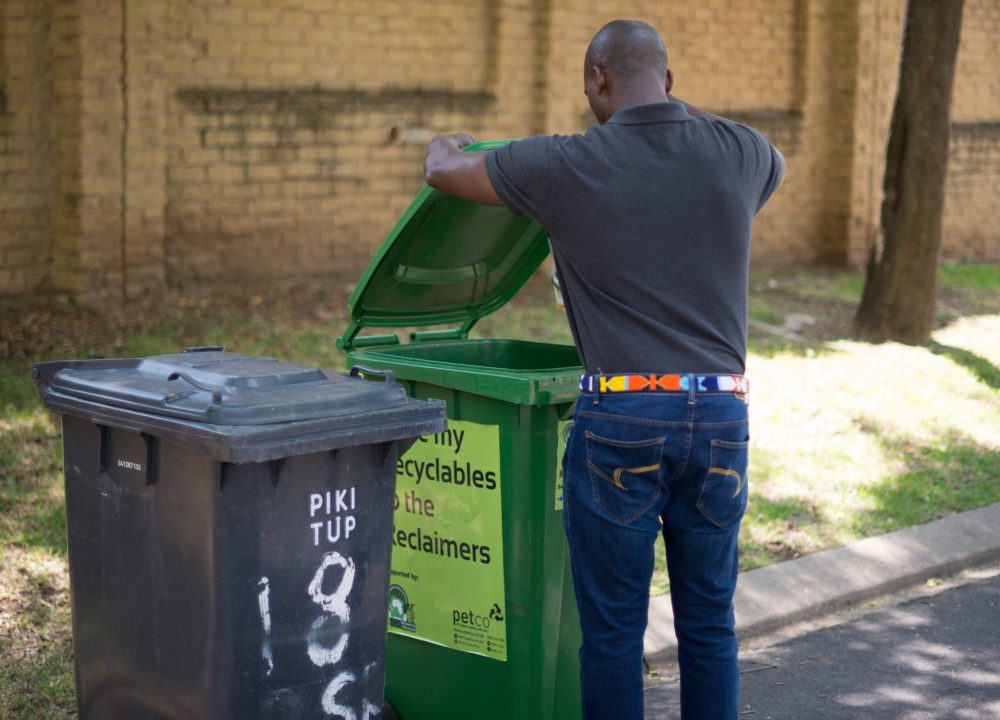
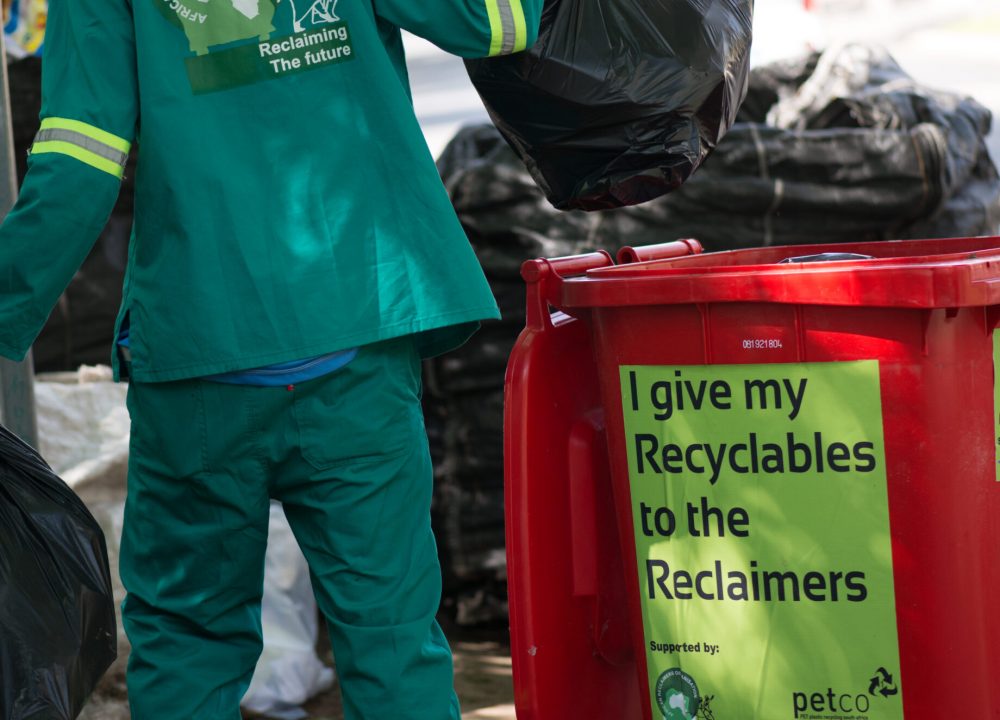
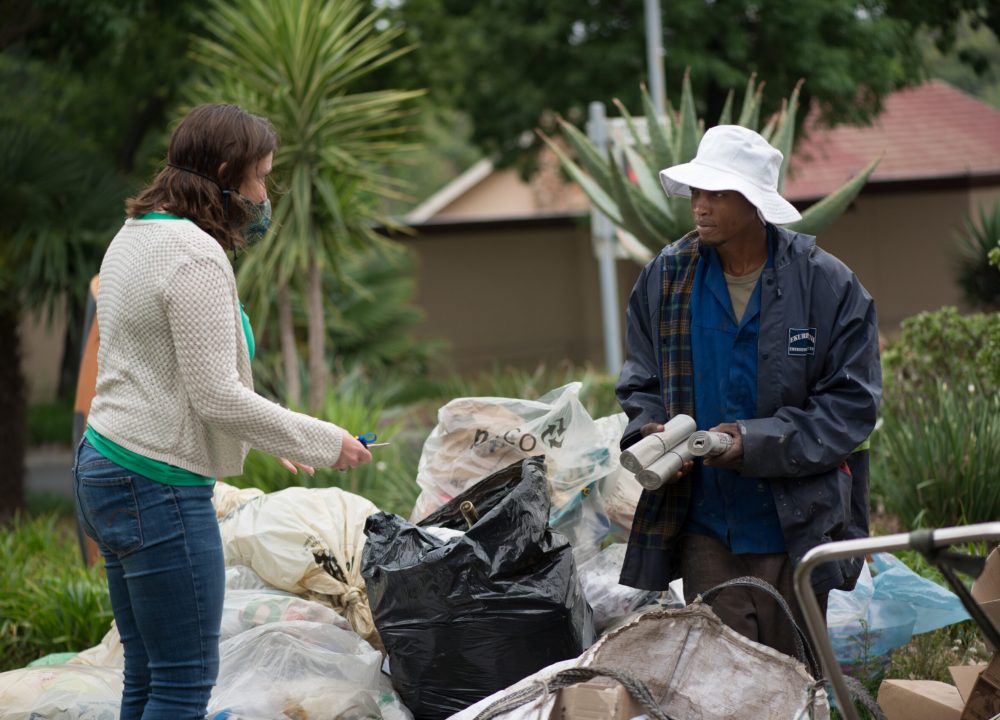
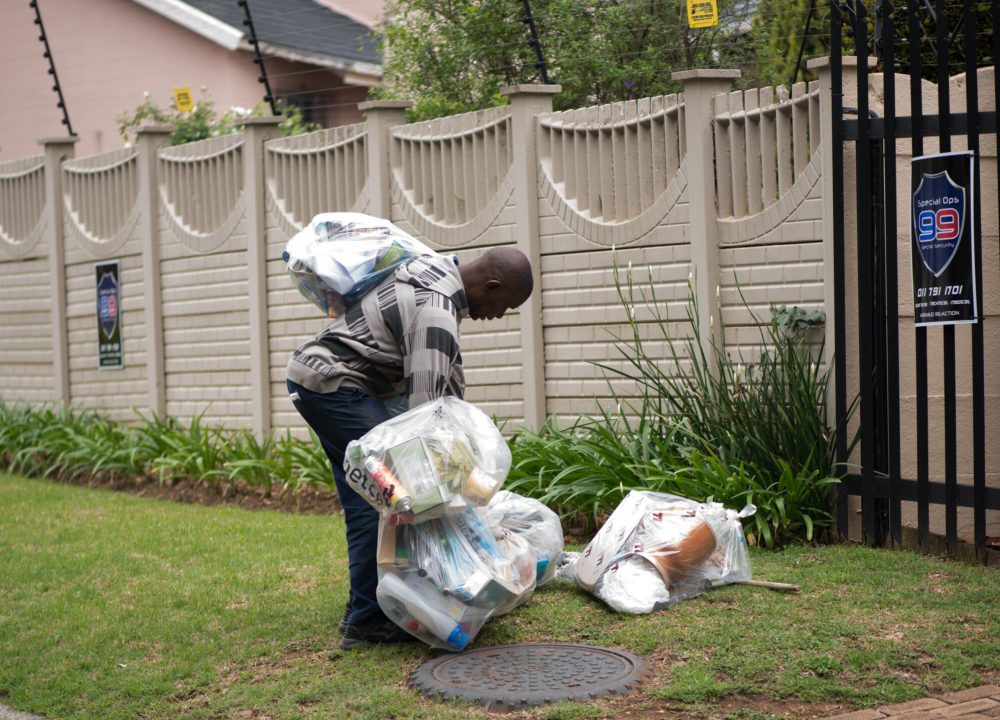

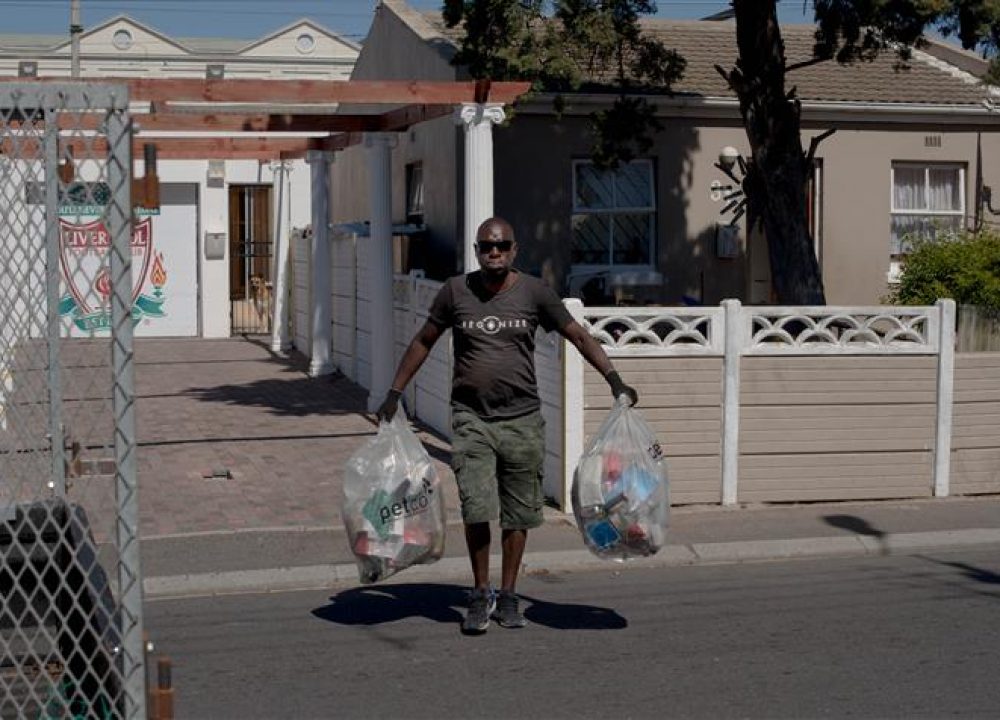


The key to a successful home recycling programme is your storage bin set-up. You need one for recyclables and one for non-recyclables, and ideally one for organic waste (compost).
Once you know which materials your local drop-off site, buy-back centre, local waste picker or collection service will accept, you can start putting those items into the recycling bins.
The garage or kitchen is a good place to place the bins. If storing outside, the lids will need to be covered to secure the contents from pests, rain and wind. Label recycling bins to ensure that materials are separated correctly and use clear bags to differentiate your recycling from your waste.
Once your system is set up, collecting and sorting is easy.
All you have to do is play your part. Give your recyclables to a waste picker, drop your recyclables at a private or municipal drop-off site, or pay a collection service to collect from your home weekly.
If you are not able to find a site or service near you, please call us on 011 615 8875 or email your province, town and suburb to info@petco.co.za and we will help you.
Rinse recyclable packaging (with used dishwashing water) before depositing in your recycling bin. This prevents pests both at home and at the collection facility and creates a more dignified experience for collectors and sorters. Here are a couple of specifics to remember:
1. Flatten
Flattened packaging, such as plastic and cans, takes up less space in bins and trucks; it’s also easier to squash and process.
2. Re-cap and keep the label on
Caps and labels are recyclable, too. Caps are made from different types of plastic and can be separated from most packaging during the recycling process. Caps and labels are used to manufacture new products. Keep the caps and labels on so that they don’t become litter.

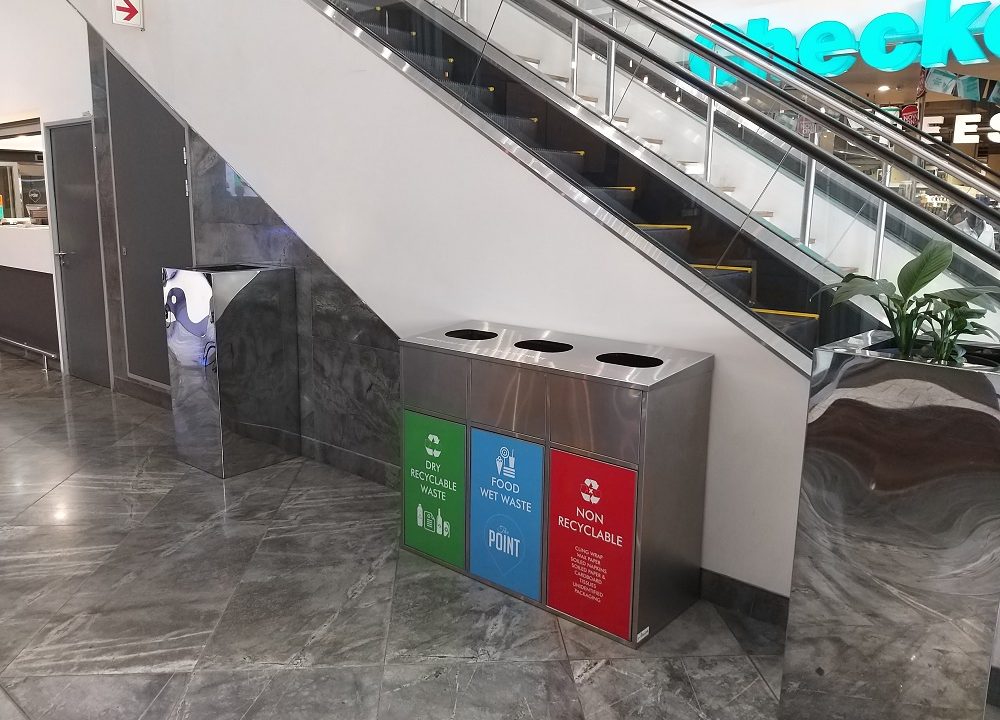
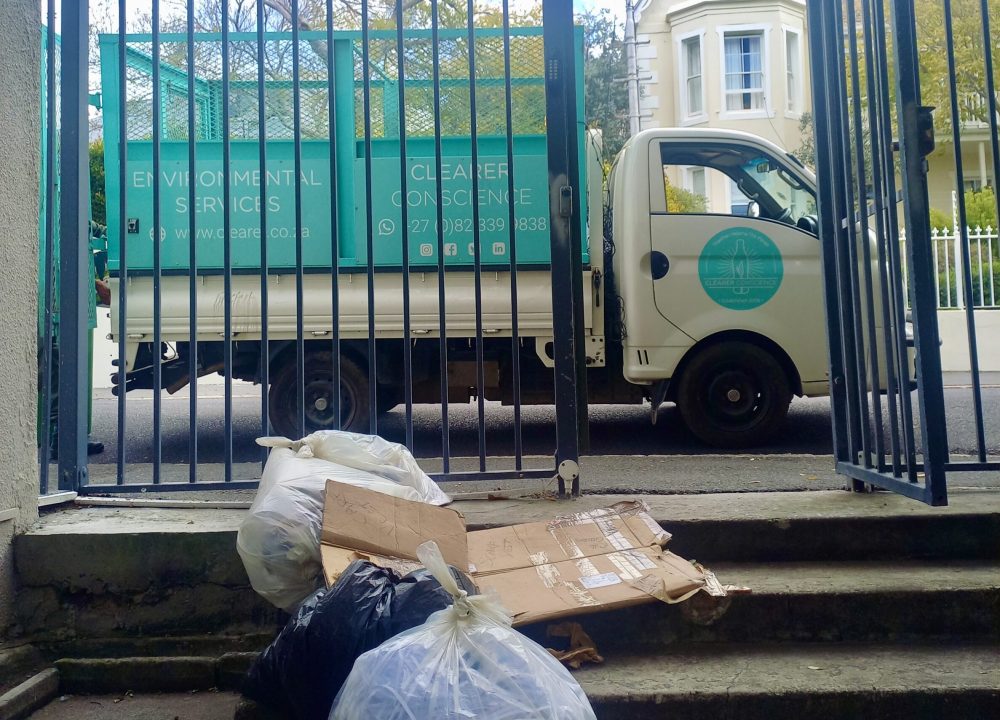
Most workplaces are keen to get started, and just need a champion to initiate the plan. Some companies may even have sustainability targets, and this is one way to meet them.
Get off to a good start. Survey your workplace to identify recyclable materials and consult with a collection company to learn about what they accept.
Get buy-in from managers. For a recycling programme at work, you need buy-in from everyone, especially top managers. Their enthusiasm will set the tone.
Appoint a champion to manage the process. You’ll need someone enthusiastic, capable of motivating others to see the value in recycling. Everyone needs to get on board.
Inform and collaborate. Work with the building management or landlords to let them know about the programme and ensure their cleaning staff are aligned. Or plug into an existing programme.
Decide what you’ll be collecting. Start with white paper (not coloured), plastic, cartons, glass and cans, and gradually expand to larger recyclables like ink cartridges and electronics. Get the bins and label them.
Place the bins strategically. Strategically place recycling bins in high-waste areas, such as near printers, boardrooms and kitchens, with clear signage indicating their “what goes where”.
Communicate with all employees. Share the programme’s goals and progress, and count the volumes of different materials collected, in order to celebrate achievements.
Keep educating. Implement an ongoing education programme for employees and cleaning staff, so that everyone understands the workplace recycling system and which items are recyclable.
If you are not able to find a site or service near you, please call us on 011 615 8875 or email your province, town and suburb to info@petco.co.za and we will help you.
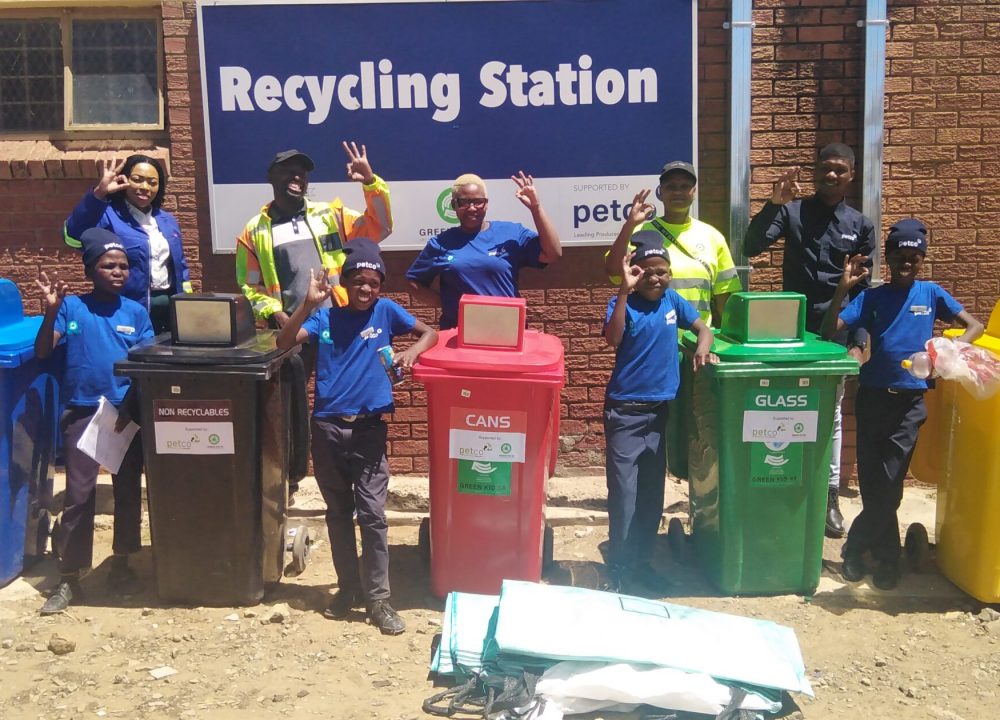
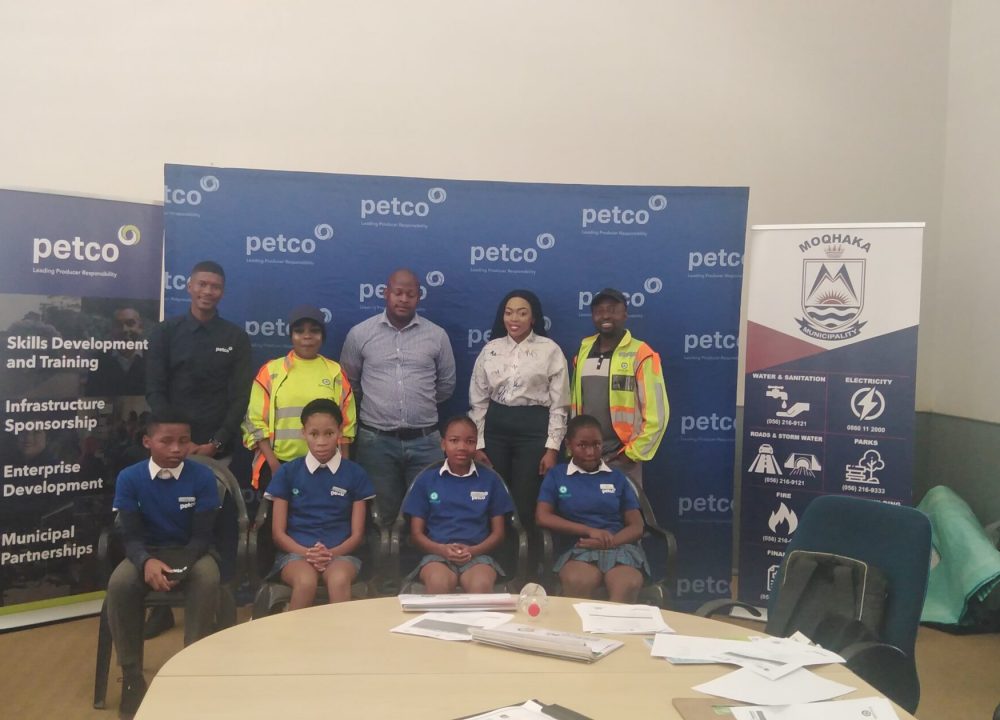
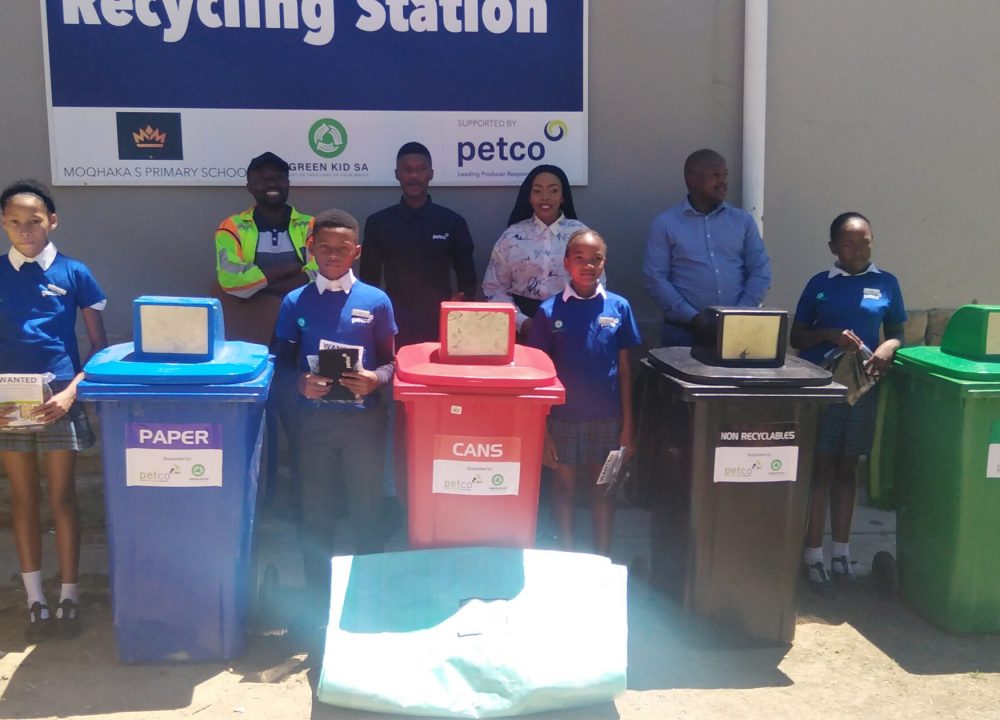
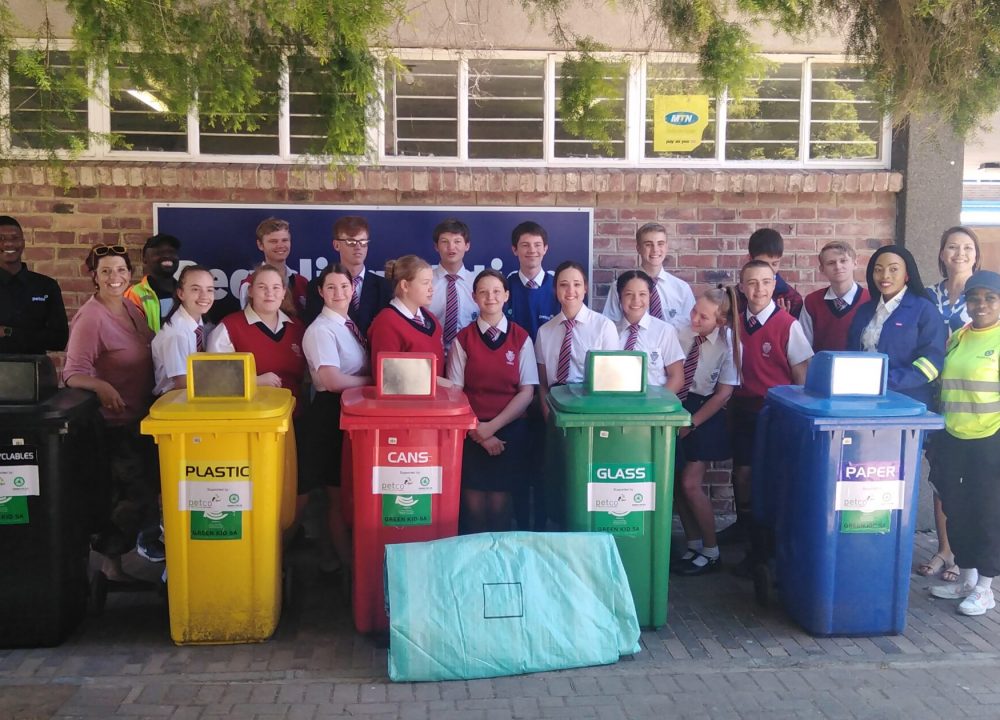
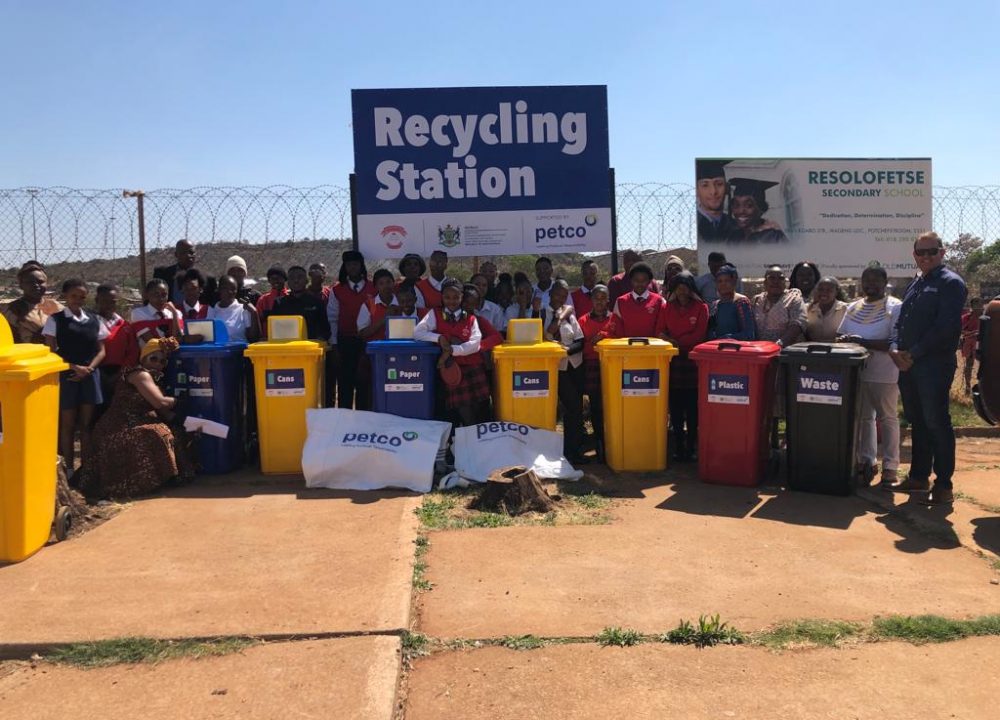
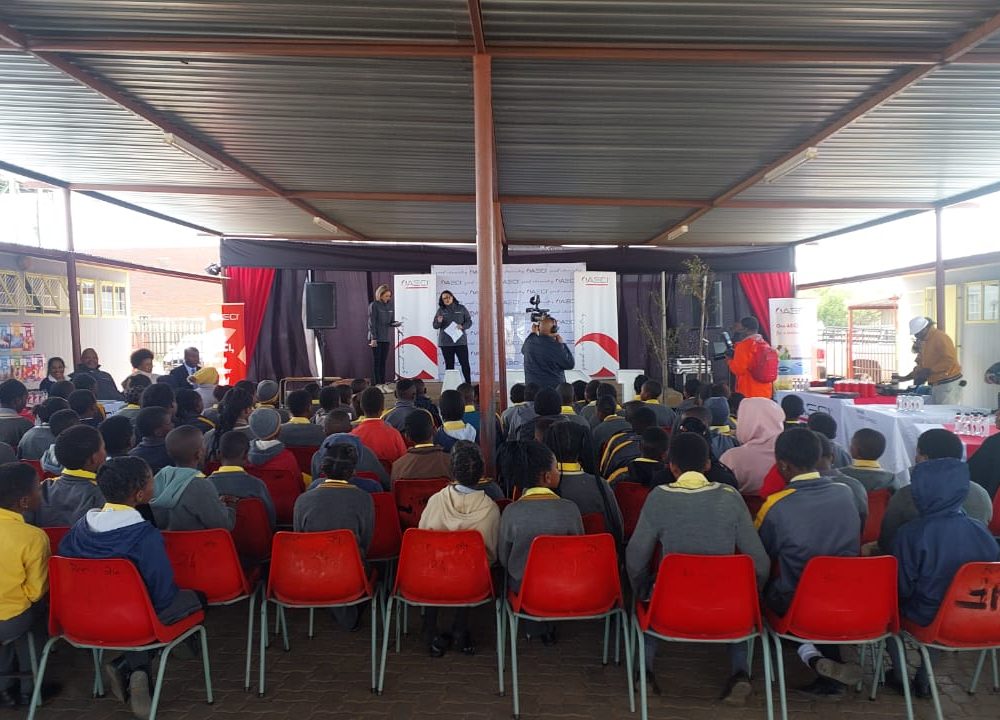
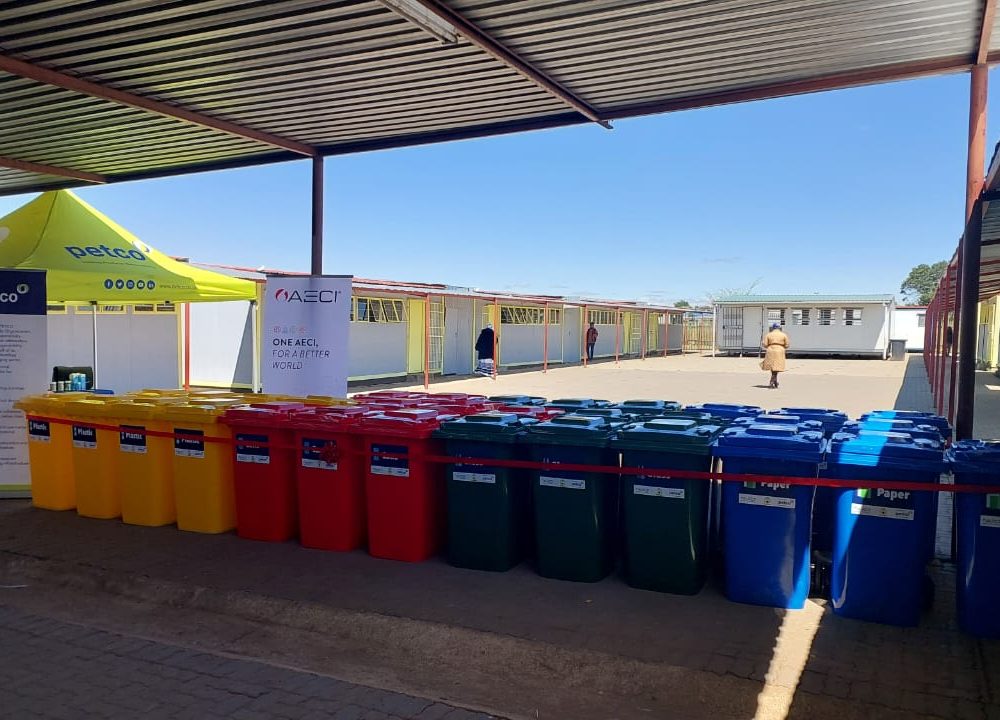
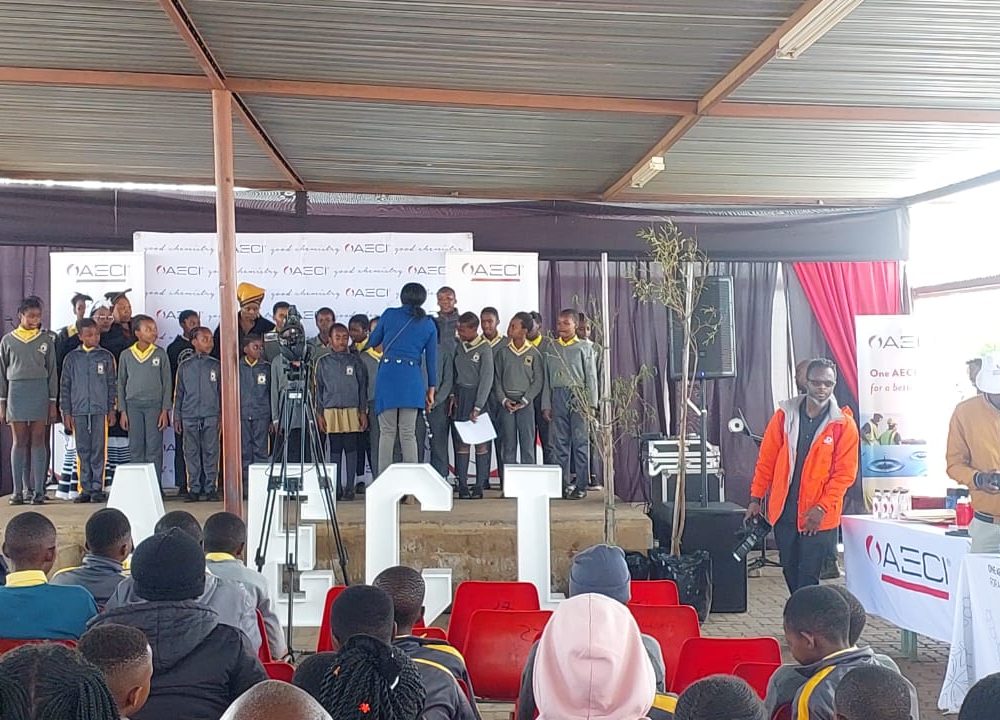
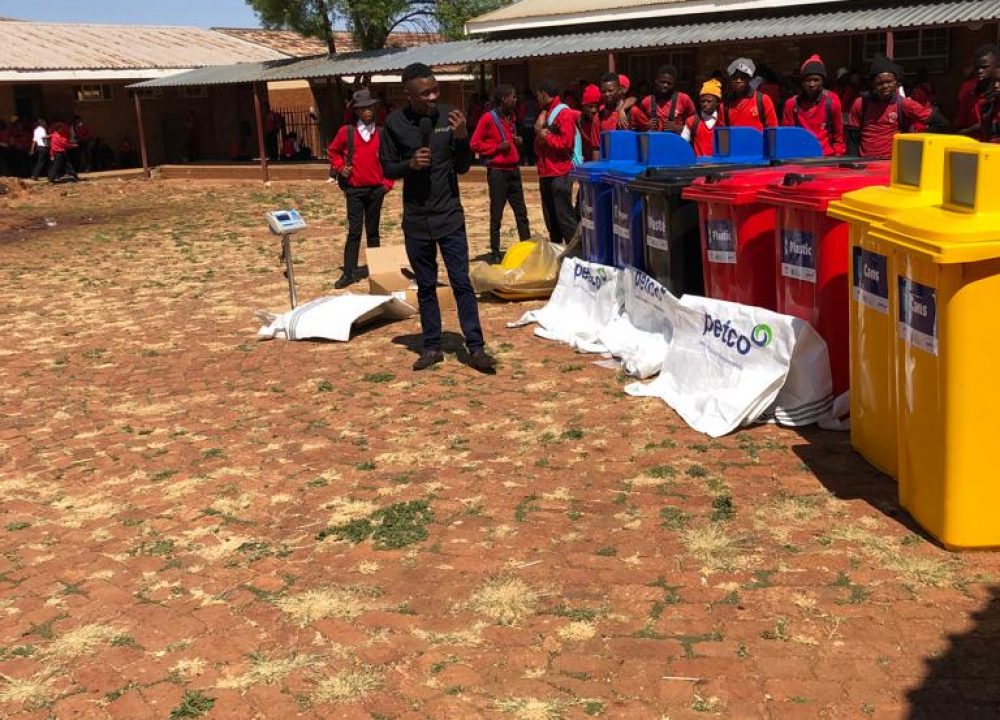

Well-run school recycling programmes have advantages that extend beyond the school grounds. They can positively impact surrounding communities by providing drop-off facilities and recycling collection drives, or simply by spreading knowledge from learners to parents.
Foster a sense of responsibility. In addition, a recycling programme at school offers an interdisciplinary and hands-on approach to educating learners about the environment and waste reduction. It fosters a sense of personal responsibility and pride among students, encouraging them to take care of the school grounds.
Benefit financially. The sale of recyclable materials can serve as a potential revenue source for the school, too. The funds generated from recycling can be used to support various activities such as sports tours, stationery and more.
Set it up. Before your school starts a recycling programme, consider three important preparatory steps:
Then get everyone on board. This can be done in a number of creative ways, making use of learners’ contributions to educate and motivate. If learners are involved from the start, the programme is far more likely to succeed than if run entirely by teachers or management staff.
Let learners prepare talks, design public messaging, run clean-up campaign inside and outside the school, and consider the motivating power of competitions.
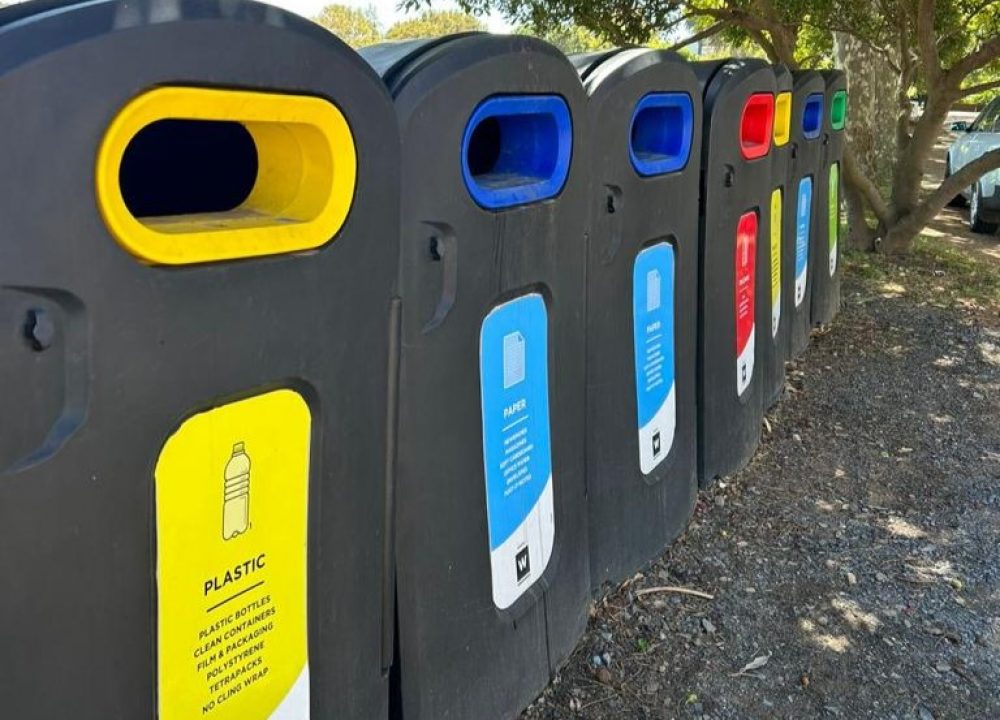

Universities are ideal sites for recycling programmes, as there are large volumes of waste generated. As with schools and workplaces, the success of the recycling programme will depend on buy-in from top management and a few enthusiastic programme champions.
Follow these steps to starting a recycling programme at your campus:
Secure support from university leaders. Gain the backing of senior academic and administrative figures in the university.
Form a dedicated team. Appoint a project coordinator and assemble a campus waste reduction committee to oversee the initiative.
Conduct a comprehensive waste audit. Examine various aspects of campus operations to pinpoint potential sources of preventable waste and assess waste volumes for major streams, recyclables, and non-recyclables through a detailed waste audit.
Establish collection infrastructure. Place large, clearly marked bins near faculties and eating areas for convenient and responsible disposal.
Provide training and communication. Develop and maintain training and communication strategies to educate the campus community on proper waste management.
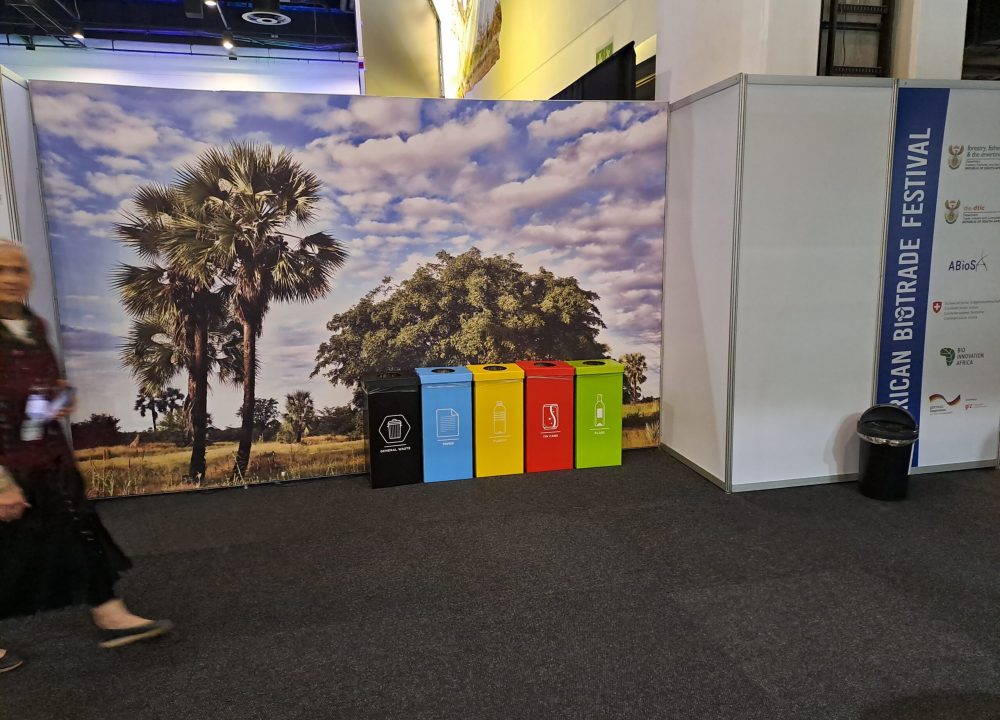

Collecting and sorting recyclables at events is not just about minimising waste; it’s a tangible step towards a more sustainable and responsible approach to gatherings. In terms of their planning, marketing, choice of venue and the event itself, setting up the right systems and having the right people on board can lead to an event that not only educates attendees, but leaves no trace behind.
Make your next event a contributor to the solution, rather than part of the problem, in the following ways:
Pre-event planning. Promote paperless communication by using digital platforms for event information. Choose a venue that preferably already has recycling facilities. Ask the venue whether they practise any aspects of sustainability.
Choose products carefully. Where possible avoid single-use items and items that are not reusable or recyclable.
Set environmental goals. Discuss a set of waste reduction and recycling targets with fellow organisers of the event.
Set up the infrastructure you will need. If venues don’t have the infrastructure, provide it yourself. Set up bins and equipment in all relevant areas, so that catering staff and others can separate recyclables from general waste effectively.
Collaborate with recycling partners. Arrange collectors to ensure the proper disposal of waste and the recycling of all recyclables.
Inform and train vendors. Vendors should be informed about the recycling requirement and made aware that their participation in the scheme is expected.
Sustain the message throughout the event. Educate and raise awareness about recycling and sustainability by regularly reminding people about this aspect of your event. You are setting the standard for the next event.
*Thank you to Clearer Conscience Environmental Services and Postwink Recycling Products for providing the above images.