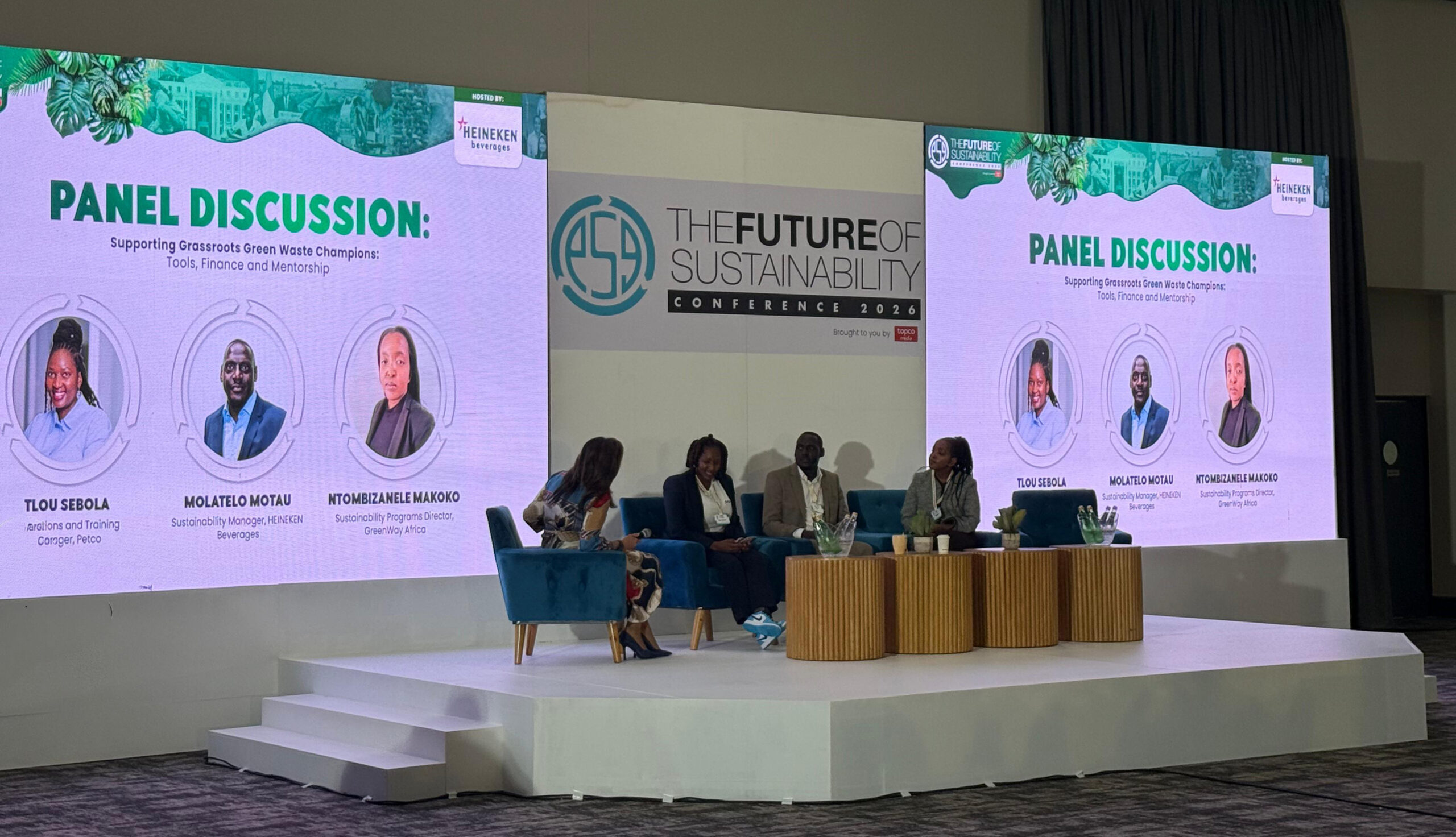
The Future of Sustainability Conference in Johannesburg (24-25 March) confirmed what the Petco operating model already understands: That collaboration is key to delivering impact at grassroots level in South Africa.
In his remarks, the United Nations resident coordinator, Nelson Muffuh, issued a strong warning that Africa is facing a development emergency and that this decade would be defined by the ability to deliver at speed and at scale, against a backdrop of rising geopolitical confrontation and climate shocks.
Partnerships are key
He cautioned that for private sector and business leaders, responsible business should mean aligning innovations with real economic impact, moving towards partnerships that facilitate delivery on the ground. He called on leaders to redefine how we measure success – that it should be benchmarked by real transformation, such as narrowing the inequality gap and creating jobs.
The value of public-private partnerships to make these things happen was also stressed by the Deputy Minister of Forestry, Fisheries and the Environment, Narend Singh, in his opening address.
The deputy minister said partnerships had helped to turn trash into treasure – driving job creation and the circular economy – but that challenges still remain, such as the integration of waste pickers, education and awareness, and the development of inclusive and sustainable value chains.
Supporting grassroots champions
During the panel discussion hosted by Heineken Beverages, a former Petco Award winner, Petco’s Training and Collections Manager Tlou Sebola was a panel participant on the topic of “Supporting Grassroots Green Waste Champions”. The discussion looked at the catalytic role that the grassroots collection sector plays in providing feedstock for the country’s recyclers, transforming waste into marketable products, and keeping the circular economy in motion.
One of the key points that Tlou raised was the need for digital tools to facilitate payment to waste pickers.
For small collection businesses, the issues of financing is a major hurdle. One possibility that was discussed was the shared infrastructure model, where public-private partnerships assist a community as a whole, rather than benefitting a single business or individual.
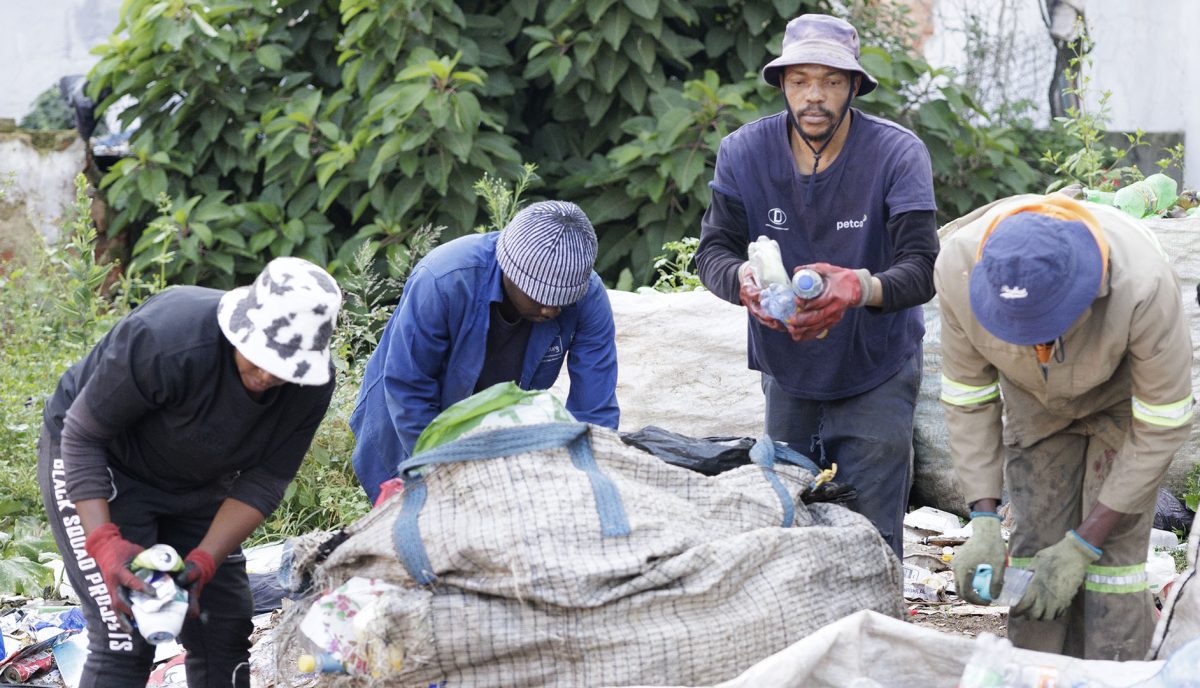
Petco’s relationship-building with SMMEs includes providing training and equipment support to assist small businesses to scale, but more partnerships are needed to assist with the transfer of technical skills and opening market access.
As a whole, the conference provided many excellent networking opportunities with interesting and like-minded professionals. The team shared the work we do with the many visitors to the Petco exhibition stand, and were inspired in turn by the packed programme on the diverse elements of the sustainability agenda – covering everything from energy to financial and water management. The future of sustainability is full of possibilities.