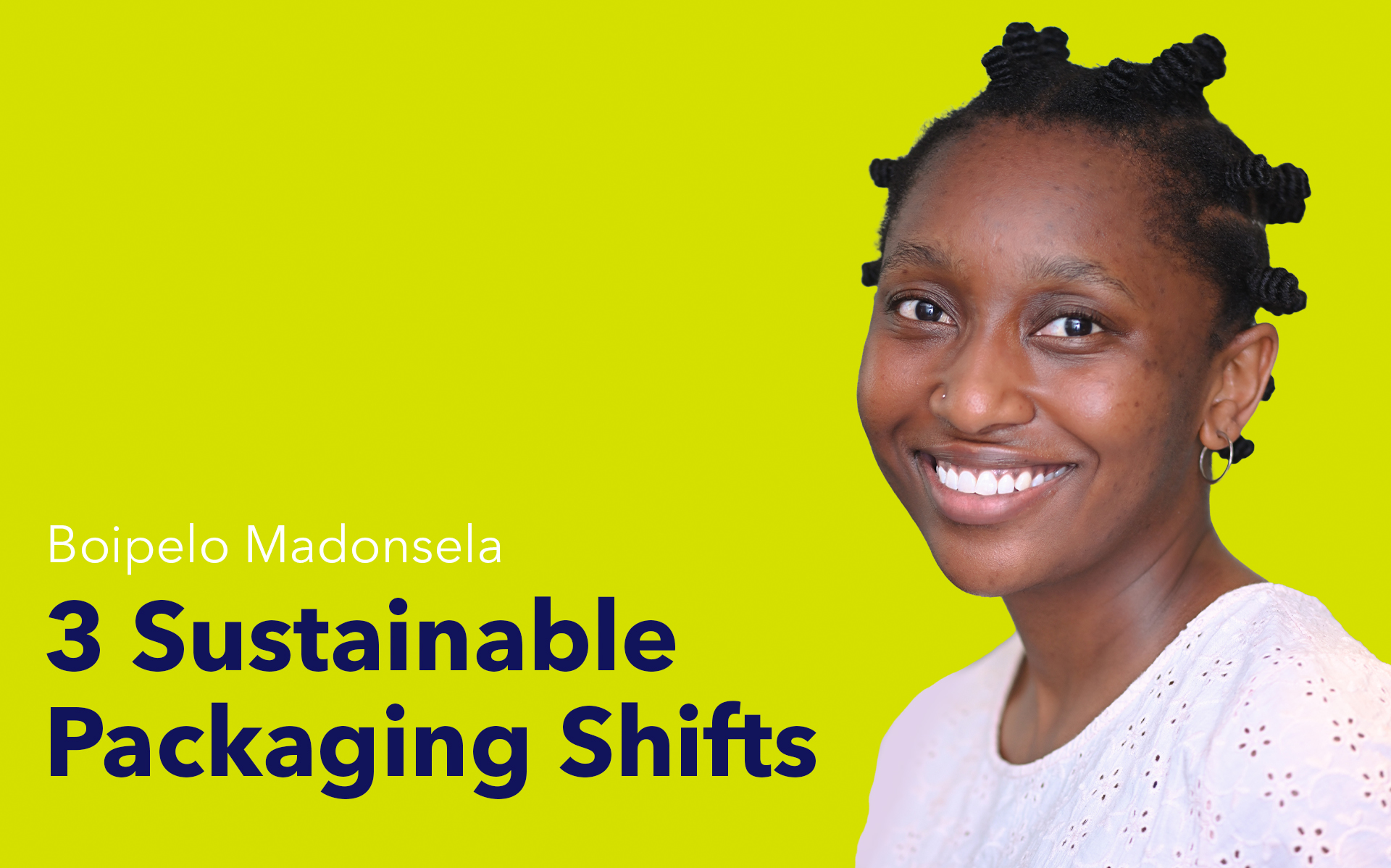
To keep Petco’s producer members and consumers up to date with global developments, Petco’s recycling value chain analyst, Boipelo Madonsela, attended the Sustainability in Packaging Conference Europe in Barcelona, Spain, in October last year. In this article, she shares her key learnings on what brands are starting to do differently worldwide.
In March, we celebrate two noteworthy dates when it comes to recycling and sustainability: Global Recycling Day on 18 March, and International Day of Zero Waste on 30 March. Sustainably designed packaging lies at the heart of these two drives.
While these annual awareness days shine a spotlight on environmental responsibility, meaningful change happens through the small actions we take every day – at home, at work, and in the choices we make as consumers.
Staying informed about global developments is part of that journey. That is why Petco attended the Sustainability in Packaging Conference Europe.
3 key shifts by global brands
Here are three key actions that global brands are taking to improve recycling outcomes and accelerate the transition to circularity:
- Phasing out non-recyclable packaging: By choosing packaging materials that are recyclable, such as paper and PET, and removing packaging components that make it non-recyclable or difficult to recycle like dyes, metal components, and problematic adhesives.
- Full resource efficiency: Brands are also looking beyond the recyclability and carbon footprint of packaging by considering water usage, energy usage, transport, and raw material extraction in the overall environmental footprint of packaging. In recognising that all materials carry an environmental footprint or have an impact on the environment, brands are starting to ensure that any alternative packaging materials are fit-for-purpose – meaning they are suitable for the purpose of the packaging.
- Designing packaging to work with existing recycling infrastructure: Sometimes this means that brands must completely change the design of their packaging, which can be risky from a brand identity perspective. What’s been noteworthy is that some brands demonstrated that they were able to maintain their identity as they transitioned to recyclable formats and incorporated recycled content; for example, when a brand changes from a non-recyclable PET shrink sleeve to a recyclable wrap-around label.
Of course, sustainability is not without its challenges. One of the key takeaways from the conference was the importance of influencing consumer behaviour by positioning sustainability as a co-benefit along with price, performance, and convenience so that making the “right” choice becomes the easy choice for the consumer.
3 simple actions for consumers
As a consumer you can make a difference by:
- Replacing the cap: Put the cap back on your empty PET bottle or Liquid Board Packaging carton. Loose caps often get separated in the waste stream and end up as litter in the environment. They are one of the most commonly found items on beaches during clean-ups.
- Saying no to unnecessary packaging and excessive wrapping: While packaging plays an important role in protecting products, preserving food, and extending shelf life, where it does not serve a clear purpose, less is often more.
- Supporting packaging made from recycled materials: When you choose products that contain recycled content – for example, labels that state “made from recycled plastic” – you help create demand for recycled materials. This demand is critical: it gives value to recyclable waste, incentivises collection, and essentially helps keep South Africa’s collection and recycling value chain viable.
At the same time, brand owners also play a key role by committing to higher recycled content targets and integrating recycled materials into their packaging at scale. By creating consistent, long-term demand for recycled material, brands help strengthen end-use markets, support collectors and recyclers, and keep valuable material circulating in the economy rather than ending up in landfill or the environment.
So, for Global Recycling Day on 18 March, and International Day of Zero Waste on 30 March, remember that small actions taken consistently add up to meaningful change.
For more information on design for recyclability, please download our packaging design guidelines here.
Watch the video: