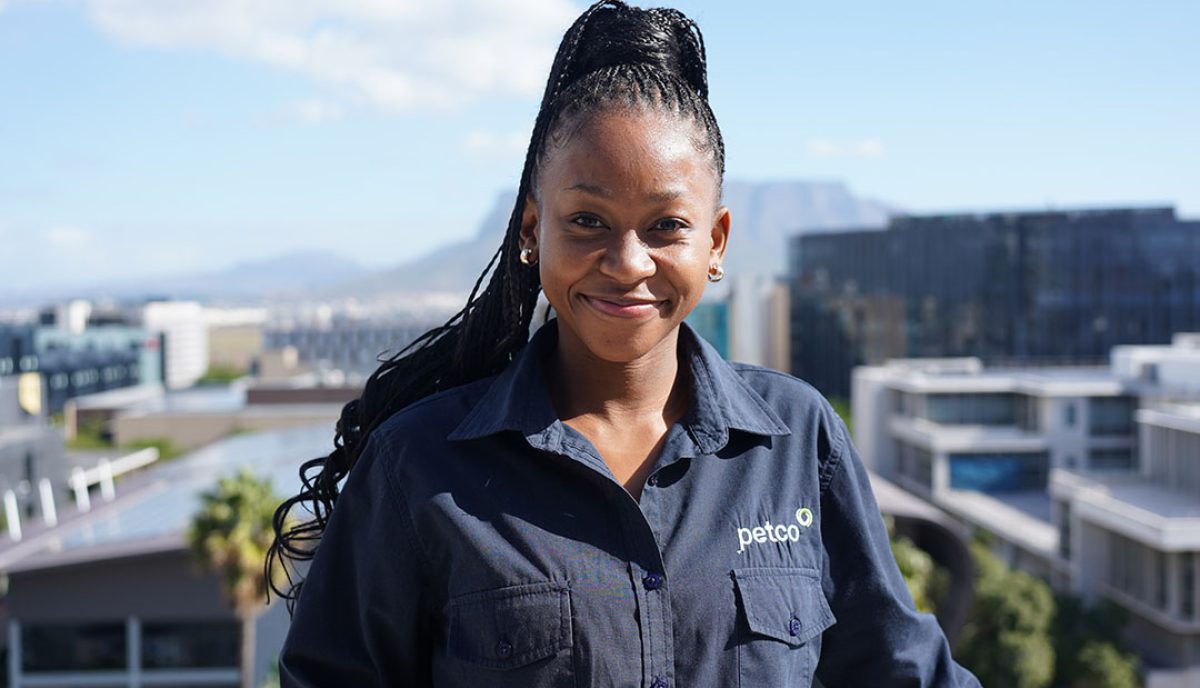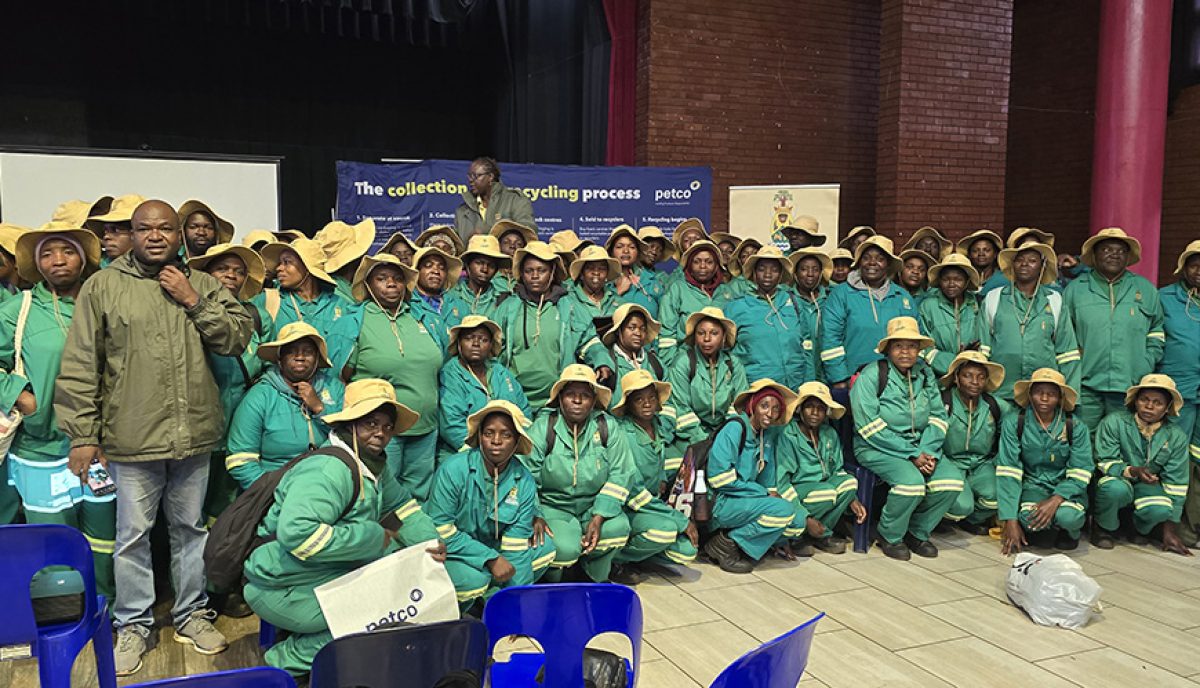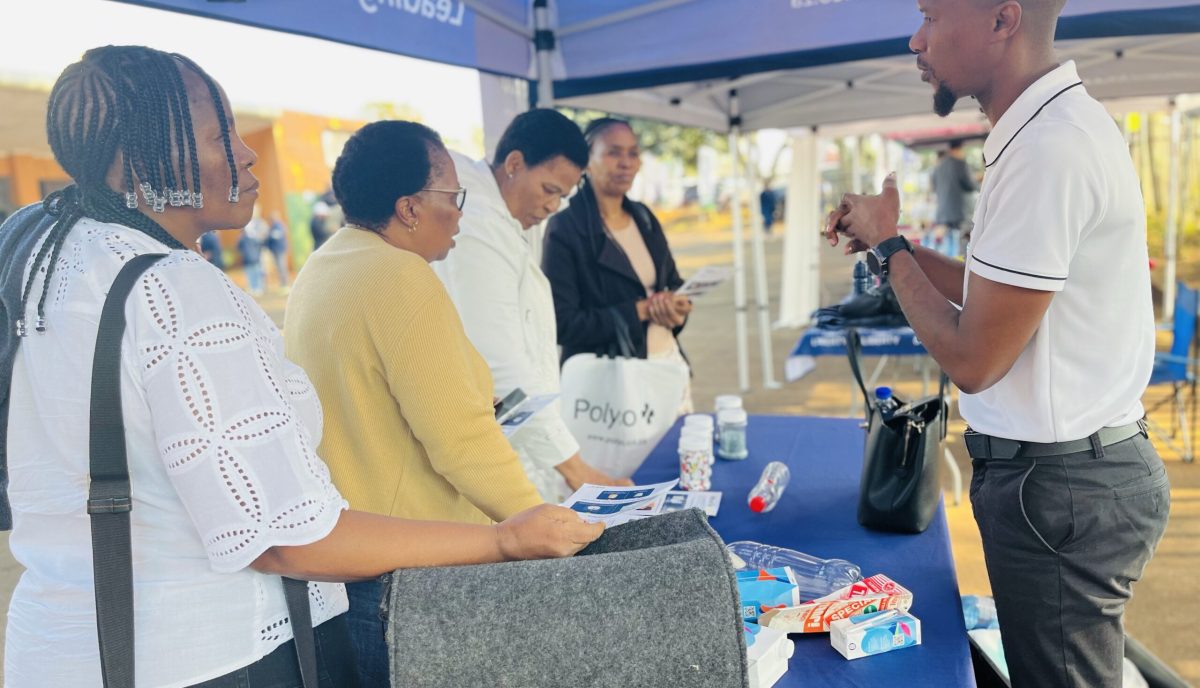
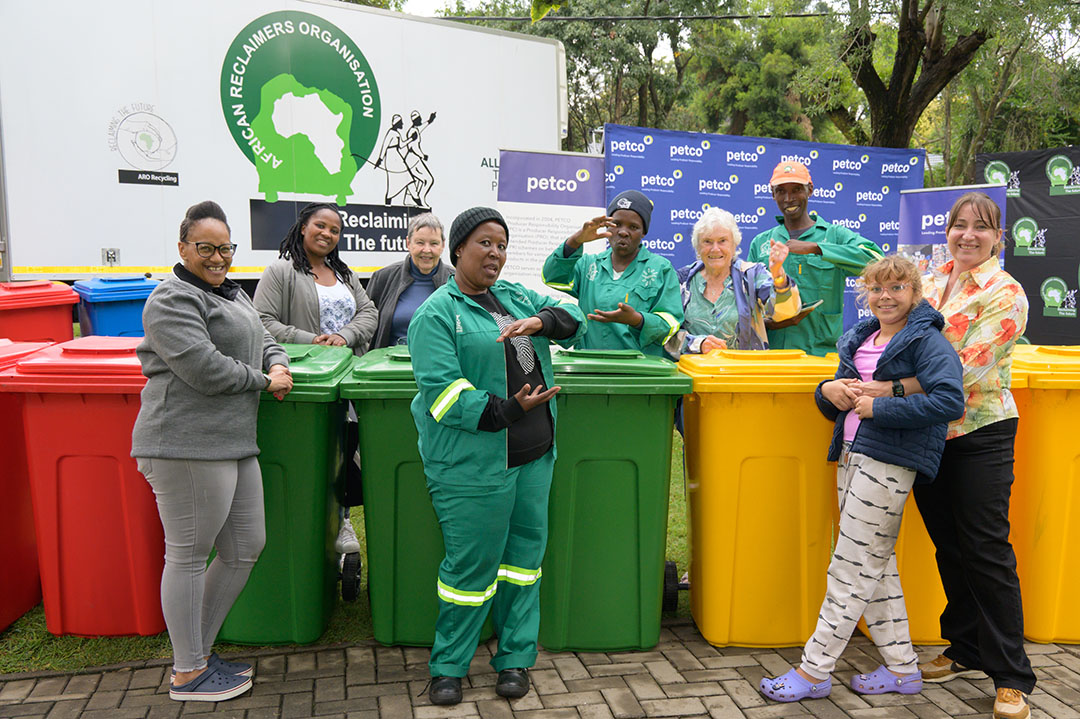
On the ground across South Africa, the Petco team has been working with our partners to recover more of the packaging members have placed on the market in 2025 and to keep valuable recyclable materials flowing through a pressured value chain.
Consistent effort and a focus on people is the foundation of our working model – whether it’s educating the public about the importance of recycling their packaging, empowering small collection businesses to manage their operations more efficiently, or guiding members on the design of more circular packaging.
This year, we have also worked to support the expansion of collection and recycling infrastructure, improve our internal data and reporting systems, and deepen our presence at district level so that support reaches the collectors, SMMEs and municipalities who need it most.
As you read the reports from our managers, you will see how all these efforts are working together to support member compliance, protect livelihoods and move South Africa closer to a truly inclusive, circular economy.
 Our general manager for collections and recycling, Samu Mkhize, looks back at the work done to strengthen Petco’s overall operational performance and remain a trusted partner in helping our members’ meet their statutory obligations and sustainability commitments.
A key priority this year was strengthening our team, increasing our on-the-ground presence, and expanding Petco’s national footprint. In parallel, we drove higher recovery of Petco-identified products by investing in critical infrastructure, such as balers, scales, vehicles and conveyor systems, building strategic partnerships with municipalities and recyclers, and launching targeted district-level collection pilots in priority provinces.
Collection support: Supporting collectors remained central to our work. We uplifted collections by providing training, equipment, improved safety practices and formal connections to structured value chains.
Systems and reporting: We enhanced Petco’s data management, reporting and traceability systems to deliver real-time, high-quality information for producer reporting, regulatory submissions and operational decisions. Upgrades to our digital platforms made data uploads simpler, more accurate and more transparent. We also continued fiscal support to recycling partners who play a critical role in the value chain. We improved operational efficiency by streamlining internal workflows, strengthening oversight frameworks for funded projects, and reinforcing governance to ensure alignment with EPR regulations and Petco’s strategic objectives.
Infrastructure roll-out: One of our most significant achievements was the large-scale rollout of new collection and recycling infrastructure across multiple provinces. Investments in district-level pilots and waste-picker integration directly contributed to increased recovery of Petco-identified products, in some cases exceeding legislated targets.
Research insights: Another highlight was commissioning research with trusted institutions to support value-chain coordination, stronger data integration and inclusive stakeholder engagement. These insights will help identify bottlenecks, map material flows and design practical, community-level interventions that support ongoing target achievement.
EPR compliance: We ensured that members’ EPR commitments translated into both compliance and measurable impact. By investing in community-based infrastructure, including balers, scales, cages and trolleys, we enabled waste pickers, cooperatives and buy-back centres to collect and sort packaging more efficiently and safely, unlocking higher recovery volumes in priority districts. On the recycling side, deeper partnerships, improved traceability and support for end-market development strengthened alignment between what is collected and what can be processed and returned to the circular economy. Enhanced data systems and real-time reporting ensured verified recovery outcomes and full regulatory compliance.
Partnerships: With the expanded scope under Section 18, a key challenge has been supporting a diverse and rapidly growing network of stakeholders, including municipalities, waste-picker organisations, recyclers, cooperatives and community partners. This complexity confirms that partnerships are now essential to the EPR system.
Looking toward 2026, we aim to formalise and strengthen these relationships through clearer collaboration models and improved coordination. By aligning objectives and building trust across the value chain, we will continue creating a more cohesive, efficient and inclusive system that delivers stronger environmental and social impact.
 This year, Petco continued its legacy of transparency with its valued members while also gathering information about how our organisation could evolve to make their lives easier, writes our stakeholder relations manager, Junaid Francis.
2025 saw the continuation of the dedicated member engagement programme with the intention of maintaining transparency by providing regular feedback on Petco progress towards legislated targets, showcasing value chain projects, and building a rapport with the staff who make up the Petco member companies. These initiatives entailed:
AGM: The first in-person AGM since COVID was hosted in Johannesburg in June. The day provided members with insights into the successes and challenges from 2024 and also left members feeling inspired after hearing the indelible tales of the Petco award winners.
Regular feedback: Petco also hosted three feedback sessions where members were afforded the opportunity to hear more about activities from the previous quarter, including updates on progress towards the DFFE-legislated targets and value chain projects supported, as well as key upcoming dates and events for the rest of the year.
Value chain immersion: Through this year’s three value chain site visits across key regions, members gained first-hand insight into how Petco’s work supports the full recycling system from collection to end-use. These visits offered a clearer understanding of the real-world impact of our programmes, the role of packaging design in shaping recycling outcomes, and how EPR fees are applied to strengthen the circular economy.
Member visits: The Petco executive team continued with visits to member operations to get a better sense of how members operate as well as building a rapport with the people who drive members’ businesses.
Given the ever-changing and complex landscape of mandatory EPR, we also distributed surveys and documentation to members to get a better idea of how Petco can support them. Included in this was a membership and reputation survey, which will give Petco an idea of members’ perceptions of our organisation and how we can improve to better meet members’ needs. The results of this survey and other documentation will inform our strategies in 2026 and beyond.
Overall, 2025 has been a year of deepening engagement with members and establishing the platform for Petco to continue to evolve going forward.
 Petco’s project manager for Liquid Board Packaging (LBP), Nomzamo Mnqayi, says the LBP team collaborated with key stakeholders to consistently deliver solutions that provided operational support and enabled smoother coordination in collections across all nine provinces.
Our strategic LBP model ensured that Petco members obtain their recycling and circularity goals with confidence for the year 2025.
To unlock unprecedented volumes in a short space of time and expand the Petco footprint, we intensified our engagements, conducting mega activations and province-based collection competitions, and working with government to run landfill takeover campaigns.
By Q3, we had conducted over 560 activations nationwide to encourage the collection and recycling of the LBP packaging our members place on the market, and to divert this valuable resource from landfill. Over that same period, we also conducted 98 recycling workshops to spread the word about creating sustainable livelihoods and spaces in our communities.
For our team and stakeholders, it was important to show appreciation for the collectors by handing over food parcels and personal care kits, and through support for funding collections at ground level.
 Tlou Sebola, Petco’s collections and training manager, shares how Petco has been growing the collection of the packaging our members place on the market – through engagement and training, development of waste pickers and SMMEs, and municipal collaborations.
It was a busy year as Petco’s on-the-ground team visited around 300 buy-back centres countrywide to build relationships with these key role-players and better understand the challenges they face at grassroots level.
We trained over 7,000 potential and existing collectors in all provinces, hosting 107 recycling workshops and 10 accredited business training sessions. By developing collectors and empowering them to grow their income, we also improve the quality and quantity of the Petco identified products collected for recycling.
In strategic partnership with SMMEs and municipalities across South Africa, Petco has implemented a comprehensive support initiative aimed at strengthening recycling infrastructure and improving operational capacity within the sector.
This support includes personal protective equipment (PPE), mobile recycling equipment, infrastructure upgrades, and the supply of key operational tools. These interventions enhance safety, increase processing capacity, and improve the functionality and operational efficiency of collection and recycling sites nationwide.
This year, we were delighted to be able to scale sponsorship to bigger equipment and infrastructure, such as balers and conveyor systems.
Another highlight was launching the first Petco Empowerment Fund project. This was special in so many ways, as it demonstrated our commitment to transformation, enterprise development and a sustainable circular economy.
Next year, we will continue to scale up support and impact at grassroots level and look forward to expanding further into remote areas. Relationship-building, whether collaborating with municipalities or engaging with collectors, remains at the heart of the work we do.
 Educating our audiences – and raising awareness about the value of collecting and recycling the packaging our members place on the market – is one of the key ways to effect behavioural change, says Petco marketing manager Kara Rohleder.
This year, Petco made strong progress in becoming more visible, collaborative and active on the ground. We built our presence across major platforms – from the G20 Conference to various expos and the Extrupet bottle-to-bottle plant launch with the Department of Forestry, Fisheries and the Environment – reinforcing Petco’s position as a key industry partner driving national recycling goals.
We also strengthened our sponsorships and collaborations, including our support of the Ballito Pro surfing event and ongoing Greenpop partnership, which expand our environmental education footprint.
Our mall activations connected directly with 6,000 consumers, and our collaboration with a Petco member at the DStv Delicious Festival helped divert more than 32 tonnes of recyclables from landfill. These activities deepened public participation and provided valuable behavioural insights.
On the education front, we launched the Ready D x Petco schools competition, which reached thousands of learners. Petco also completed the development of recycling-related educational content with the Pick n Pay Schools Club for all grades from 1 to 12. We’re excited to build on what we’ve created so far and look forward to welcoming a new digital asset in 2026 – watch this space!
Advancing Petco’s thought leadership, we launched campaigns around Design for Recycling, the impacts of compostable packaging on the PET recycling value chain and promoted design success stories like vida e caffè’s shift to rPET bottles and labels that are compatible with the current recycling infrastructure in SA. (More on that in Boipelo’s report.) Our website offers useful resources about these topics, and you’ll be seeing more docu-series snippets as educational short videos on platforms like TikTok.
Collectively, these efforts helped us extend the reach of our work, and we’re working to add more partnerships that align closely with our priorities to be more present, proactive and effective in driving South Africa’s circular economy forward.
 This year was another challenging one for the PET recycling industry writes Petco’s recycling value chain analyst, Boipelo Madonsela.
Recyclers faced high input costs, escalating operational costs, and sluggish end-use markets, which together eroded profit margins and threatened business viability. Despite these challenges, our recycling partners continued to work tirelessly to assist Petco in our efforts to meet our annual collection, recycling, and recycled content targets.
Testing times like these require us to remain committed to supporting all our recycling partners, as it is our responsibility to help sustain the collection and recycling value chains on behalf of our members, and for the benefit of those who are reliant on the related employment and income opportunities.
A key element to sustaining the value chain is ensuring that packaging is designed to be compatible with local recycling infrastructure. Well-designed packaging helps to maximise recycling rates and helps recyclers achieve good quality and competitively priced recycled material.
This year, we developed additional knowledge resources by publishing an updated version of Petco’s Packaging Design Guidelines for PET and liquid board packaging. We also published Petco’s position papers on Biodegradable and Compostable Packaging, and Polyvinyl Chloride packaging, two material streams that contaminate the PET recycling stream. We’re proud to have taken our members on this journey by engaging with them directly and supporting them in their packaging design efforts, and look forward to continued collaboration.
 This year, Petco’s project focus centred on strengthening waste picker integration efforts and leveraging the Petco Empowerment Fund as a vehicle of inclusive sector growth, explains Nandipha Sibiya, our projects manager for the value chain.
To deepen our understanding of the recycling ecosystem, Petco supported research on bakkie collectors and conducted socio-economic surveys to capture on-the-ground realities, challenges, and opportunities. These insights will help us in shaping more targeted and impactful interventions.
The Waste Picker Service Fee (WPSF) is an industry-wide priority for all PROs, and Petco takes it very seriously. Throughout the year, we explored partnerships for decentralising payments and developing solutions that are responsive to the unique buy-back centre challenges.
A major milestone is Petco’s partnership with the PRO Alliance to facilitate WPSF payments. Recognising that working in silos disadvantages waste pickers, the shift to a unified Alliance-led model ensures streamlined processes and enables waste pickers to receive a more substantial payment, as the Alliance pays for all material types.
In September, the temporary closure of the Marie Louise Landfill in Johannesburg saw waste pickers facing severe income disruption. Petco’s rapid response – together with Pikitup – provided essential social relief, including food parcels and full PPE (boots included). This support not only addressed immediate needs but also prepared waste pickers to safely resume operations once the site reopens.
My team has played a critical role in supporting Petco’s strategic objectives by being consistently present on the ground, engaging directly with waste pickers, and gathering robust, consolidated data to inform decision-making.
One of the persistent challenges we have identified has been the slow adoption of cashless systems. While many buy-back centres recognise the value of digital payments, waste picker uptake remains gradual. In 2026, we will intensify our efforts to improve digital readiness, strengthen partnerships, and roll out more accessible, user-friendly solutions that support a smoother and inclusive transition.