
It starts here
Design for recycling
Crafting tomorrow: designing for a sustainable future
The recycling of packaging does not begin with its collection, but rather with its design.
In order to close the loop in the circular economy and ensure packaging gets recycled so it can be made into new products, it’s essential that retailers, brand owners, packaging manufacturers and designers embed recyclability principles into their pack design processes.
Truly designing for the benefit of the environment is about product stewardship, forward-thinking initiatives, innovation and breaking new ground to realise solutions.
The future of recycling within a circular economy begins with you.
Petco is here to help
Are you thinking about putting a new product or packaging type onto the market? Don’t know which materials, labels or glue to use? Take a look at our guide below.
End-uses for recycled material
The environmental impact of packaging extends far beyond its initial use, shaping its end-of-life fate. In the realm of packaging, the intricacies of package design—from material choices to closure mechanisms—play a critical role in determining whether they become part of a circular system or contribute to landfills.
In South Africa, recycled PET (rPET) can be used to make many new products.
In the food-grade sector, recycled PET resin has been blended with virgin PET in various ratios since 2009 for use in the manufacture of brand new PET bottles and containers such as sandwich clamshells, trays, tubs, and carbonated and non-carbonated beverage bottles.
Recycled PET can also be made into polyester staple fibre for apparel (clothing), home textiles (duvets, pillows, carpeting), automotive parts (carpets, sound insulation, boot linings, seat covers), industrial end-use items (geotextiles and roof insulation), hair pieces and strapping.
LBP, or liquid board packaging, refers to liquid board cartons used to package products such as fruit juice, custard and milk can also be used to make many new products.
According to Tetra Pak®, each liquid board carton comprises more than 70% paperboard from sustainably managed forests, making it a renewable form of packaging. The remaining 25% is made up of 20% polyethylene (plastic) and 5% aluminium (polyAl), which serve to protect the carton’s contents from light, oxygen, and moisture.
Paper manufacturers use the long paper fibre derived from liquid board cartons to manufacture new paper and carton products, while the polyAl layers are recycled into products such as pallets, crates, clothes hangers, outdoor furniture, school desks, car parts and roof tiles.
Best in class case studies
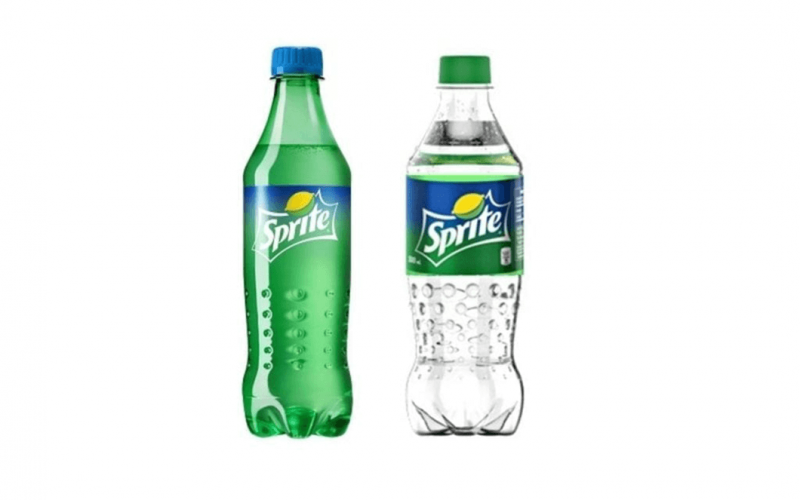
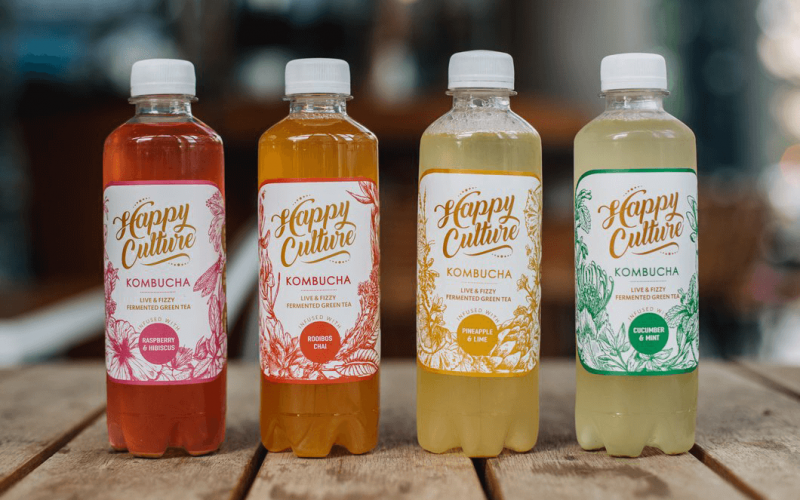
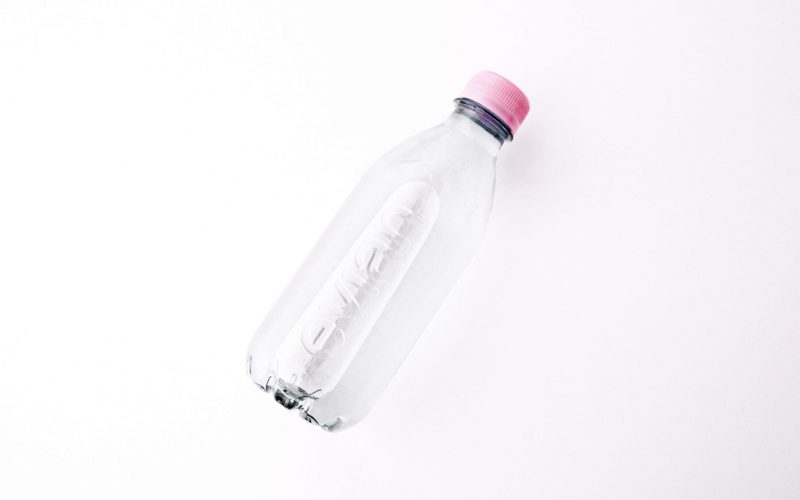
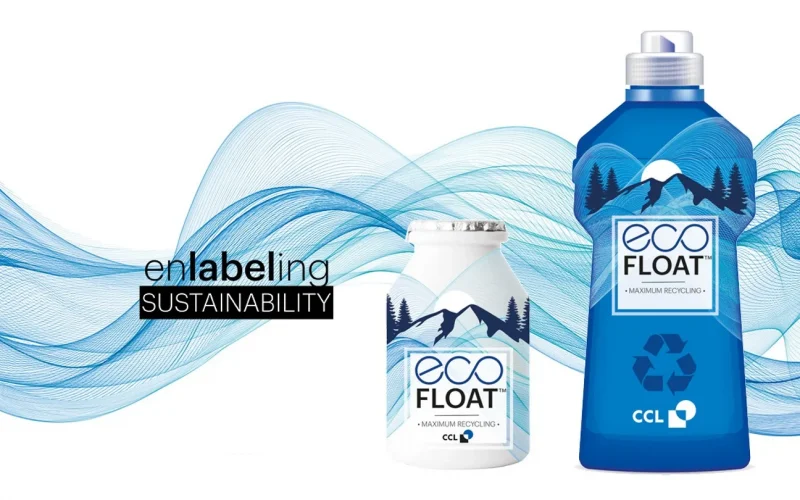
Members making positive changes
We strive to stay up to date and to share locally relevant case studies as far as design for PET recycling is concerned.
If you have any stories in this respect, please email them.